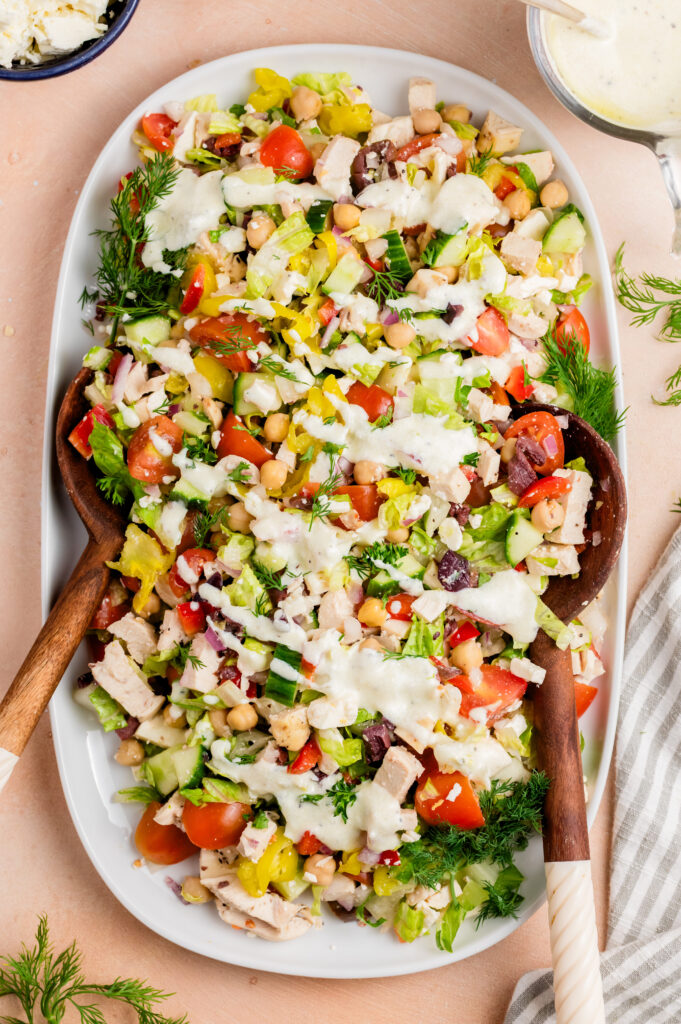
Imagine a culinary masterpiece where every single bite delivers a harmonious blend of crispness, tang, creaminess, and saltiness. That's the magic of a chopped Greek salad. Far from a mere side dish, this vibrant assembly of Mediterranean ingredients transcends the ordinary, offering a perfectly balanced experience that tantalizes the taste buds and nourishes the body. It’s a dish that evokes sun-drenched meals in Greece, making it a go-to for light lunches, refreshing dinners, or impressive contributions to any gathering.
What sets the chopped Greek salad apart is not just its fresh components, but the intentional act of chopping them into uniform, bite-sized pieces. This simple technique transforms a classic salad into something truly special, ensuring that each forkful contains a symphony of flavors and textures rather than individual notes. From the satisfying crunch of fresh vegetables to the briny punch of olives and the creamy tang of feta, every element is designed to shine together.
The Essence of a Perfect Chopped Greek Salad: What Makes It Shine?
The allure of a perfect chopped Greek salad lies in its brilliant simplicity and the quality of its components. It’s a testament to how fresh, well-chosen ingredients can create an unforgettable dish. Let's delve into what makes this Mediterranean staple so universally loved.
The Chopped Advantage: A Symphony in Every Bite
While a traditional Greek salad (horiatiki) often features large, rustic cuts, the chopped variant takes a different, equally delightful approach. The finely diced ingredients are not just aesthetically pleasing; they serve a crucial functional purpose. By ensuring that every piece of romaine, cucumber, tomato, olive, and feta is roughly the same size, you guarantee a consistent flavor profile in each mouthful. No more fishing for that elusive olive or a giant chunk of feta. Instead, you get a delightful medley where the crispness of the lettuce, the juiciness of the tomato, the cool crunch of the cucumber, the briny kick of the Kalamata olive, and the creamy saltiness of the feta all come together seamlessly. This intentional chopping prevents any single ingredient from dominating, creating a truly balanced and addictive eating experience.
Core Ingredients: A Symphony of Mediterranean Flavors
The foundation of any authentic chopped Greek salad rests on a handful of stellar ingredients, each playing a vital role:
- Crisp Romaine Lettuce: Forming the hearty base, romaine offers a refreshing crunch that stands up beautifully to the dressing and other robust ingredients. Its sturdy texture is key to maintaining the salad’s integrity.
- Cool Cucumbers: Whether you choose thin-skinned Persian or English cucumbers, their juicy, refreshing crunch brings a lightness that perfectly complements the other bold flavors. For regular cucumbers, a quick peel and seed removal ensure optimal texture.
- Juicy Tomatoes: Ripe, chopped tomatoes contribute natural sweetness and a burst of moisture. From classic beefsteaks to sweet grape or cherry tomatoes (which require no seeding!), they add a vibrant color and essential acidity.
- Creamy Feta Cheese: The quintessential Greek cheese, feta provides a salty, tangy, and irresistibly creamy element. Crumbled into the salad, it ties all the Mediterranean flavors together, adding richness and a distinctive briny punch that's simply irreplaceable.
- Briny Kalamata Olives: These distinctively purple-black olives are non-negotiable for their rich, fruity, and intensely briny flavor. They add a deep umami note and a wonderful textural contrast that truly anchors the Greek profile.
- Tangy Pepperoncini: Often overlooked, these mild, sweet, and slightly tangy pickled peppers add a fantastic zing and a subtle heat that brightens the entire salad, enhancing its Mediterranean charm.
The Dressing Dilemma: Choosing Your Mediterranean Kiss
While the ingredients are star, the dressing is the conductor of this flavor orchestra. A great dressing elevates the chopped Greek salad from good to unforgettable. The simplest options often prove the best, allowing the fresh ingredients to shine:
- Classic Olive Oil & Lemon Drizzle: Sometimes, less is more. A generous drizzle of high-quality extra virgin olive oil and a squeeze of fresh lemon juice provide a bright, clean finish that highlights the natural flavors of the vegetables and feta. A pinch of dried oregano often seals the deal.
- Tangy Red Wine Vinaigrette: This is a popular choice for its bold, acidic punch that perfectly complements the briny olives and salty feta. Made with red wine vinegar, olive oil, a touch of Dijon mustard, and seasonings, it adds depth and a vibrant zest.
- Creamy Lemon Vinaigrette: For those who prefer a richer mouthfeel, a creamy lemon vinaigrette (perhaps with a touch of Greek yogurt or tahini) can add a luxurious texture without overpowering the freshness.
- Hummus Dressing: For an even richer, more substantial twist, a hummus-based dressing offers an earthy, savory creaminess that can turn your salad into an even more satisfying meal.
No matter your preference, the key is balance. The dressing should enhance, not mask, the vibrant flavors of your perfectly easy 15-minute chopped Greek salad.
Beyond the Basics: Elevating Your Chopped Greek Salad Experience
While the classic components are stellar, one of the beauties of a chopped Greek salad is its adaptability. You can easily tailor it to your preferences, dietary needs, or what you have on hand, transforming it from a simple side to a full-fledged meal.
Ingredient Swaps and Creative Twists
Don't be afraid to experiment with your chopped Greek salad. Here are some ideas for variations:
- Lettuce Alternatives: While romaine is a classic for its crispness, feel free to use mixed greens, baby spinach for a milder, earthy note, peppery arugula, or even crunchy iceberg lettuce for a different texture.
- Tomato Varieties: Beyond large chopping tomatoes, consider using sweet grape or cherry tomatoes, which require no seeding, or indulge in colorful heirloom varieties during peak season for an extra burst of flavor and visual appeal.
- Cucumber Choices: Persian and English cucumbers are ideal due to their thin skins and minimal seeds. However, standard garden cucumbers work wonderfully too – just remember to peel and deseed them for the best texture.
- Olive Options: Kalamata olives are traditional, but a blend of green and black olives can introduce different nuances. Even pitted black olives can work if Kalamatas aren't available.
- Cheese Explorations: While feta is king, crumbled goat cheese offers a creamier, tangier alternative. For dairy-free versions, many excellent vegan feta-style cheeses are now available.
- Added Crunch & Color: Thinly sliced red onions, vibrant bell peppers (green, red, or yellow), or even a handful of chickpeas for extra protein and texture are common and welcome additions.
- Fresh Herbs: A sprinkle of fresh dill, parsley, or oregano can significantly brighten the salad with their aromatic notes.
For more detailed ideas on adapting your salad to suit any occasion or preference, explore our guide on chopped Greek salad: versatile meals & ingredient swaps.
Making it a Meal: From Side Dish to Star
A chopped Greek salad is robust enough to be a satisfying meal on its own, but it also pairs beautifully with various proteins to create a more substantial dish:
- Grilled Chicken: Tender, juicy grilled chicken breast is a classic companion, adding lean protein without overpowering the salad’s flavors.
- Garlic Shrimp: Sautéed or grilled shrimp, infused with garlic and lemon, offers a light yet flavorful seafood option that complements the Mediterranean theme perfectly.
- Falafel or Chickpeas: For a vegetarian or vegan main, crispy falafel or simply a generous scoop of roasted chickpeas can transform the salad into a hearty and wholesome meal.
- Flaked Salmon or Tuna: A serving of perfectly cooked salmon or even quality canned tuna can add healthy fats and protein, making for a quick and nutritious lunch.
- Served on Flatbread: For a fun, interactive meal, pile your chopped Greek salad onto warm flatbread or pita and enjoy it with your hands – a playful twist on a classic!
Prep-Ahead Perfection: Tips for Lasting Freshness
One of the many benefits of a chopped Greek salad is its potential for make-ahead convenience. With a few smart strategies, you can enjoy its fresh flavors for days.
Assembling Your Salad Strategically
To ensure your salad stays crisp and vibrant, consider these prep-ahead tips:
- Chop and Store Separately: Chop all your vegetables (romaine, cucumbers, tomatoes, peppers, onions) and store them in airtight containers in the refrigerator. Harder vegetables like cucumbers and bell peppers can be prepped days in advance, while lettuce and tomatoes are best chopped closer to serving time (within 24 hours).
- Briny Bits Together: Keep your olives, pepperoncini, and feta cheese in separate containers. These briny elements can sometimes "bleed" their strong flavors if mixed too early with fresh produce.
- Keep Dressing Separate: This is perhaps the most crucial rule for salad longevity. Whisk your dressing ingredients and store them in a sealed jar in the fridge. Dress the salad only just before serving to prevent the vegetables from becoming soggy.
Following these steps means you can have all your ingredients ready for a quick assembly, making it easy to whip up a fresh, balanced meal in minutes, even on the busiest days.
The chopped Greek salad is more than just a collection of ingredients; it's an experience. It's a tribute to fresh produce, vibrant flavors, and the simple joy of a perfectly balanced bite. Whether you’re seeking a healthy side dish, a satisfying main course, or a delightful memory of Mediterranean shores, this salad never disappoints. Its versatility, ease of preparation, and utterly delicious taste make it a timeless classic worthy of a regular spot on any table. So go ahead, chop, dress, and savor the irresistible flavors of the Mediterranean.
