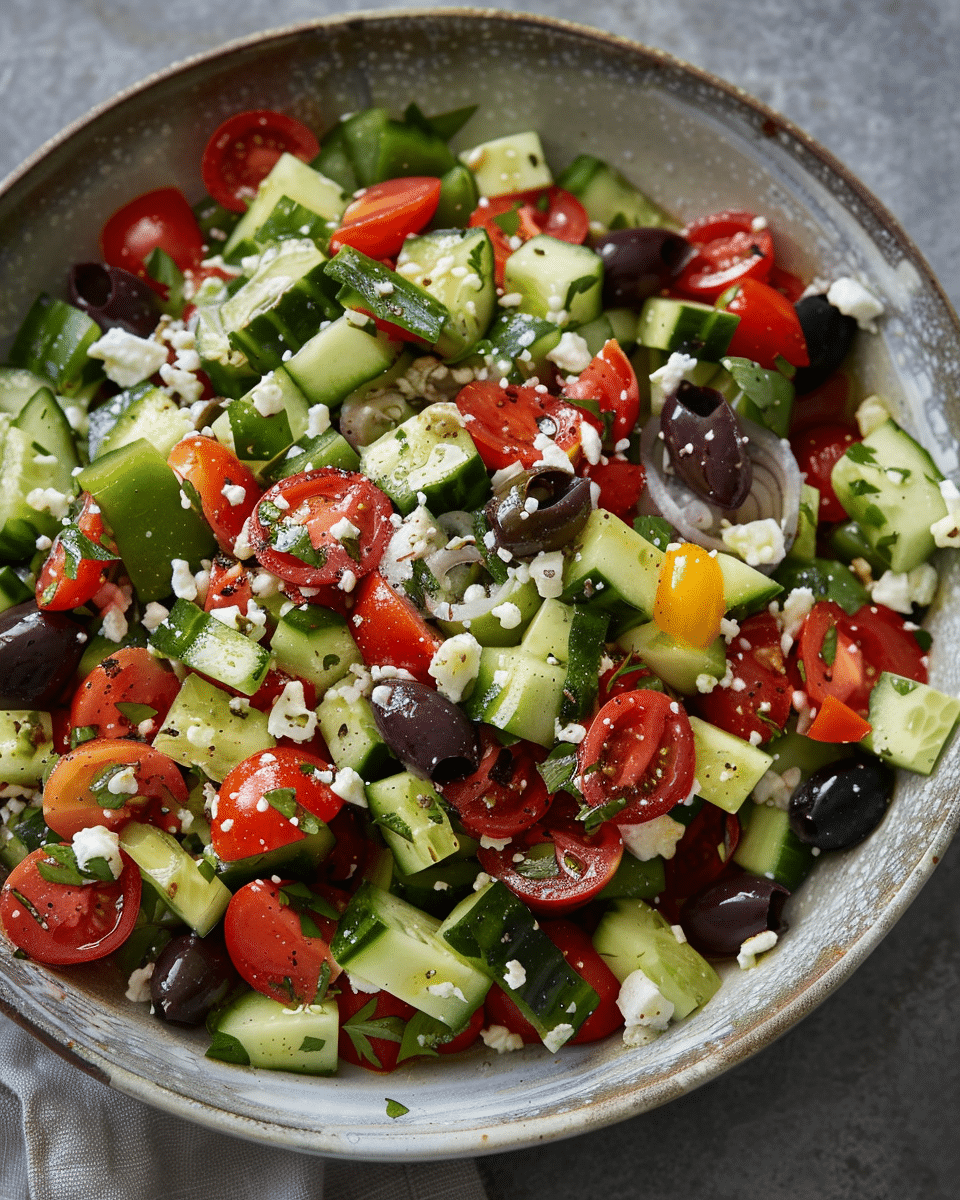
The Irresistible Charm of the Chopped Greek Salad: A Culinary Game-Changer
In the vibrant tapestry of Mediterranean cuisine, few dishes capture the essence of freshness, flavor, and simplicity quite like the classic Greek salad. But when you introduce the art of the chop, this beloved staple transforms into something truly extraordinary: the chopped Greek salad. This seemingly simple alteration elevates the experience from a delightful side dish to a symphony of balanced flavors and textures in every single bite. Gone are the days of chasing individual ingredients around your plate; with every forkful, you get a perfect medley of crisp veggies, briny accents, and creamy cheese.
More than just a salad, the chopped Greek salad is a culinary chameleon, adapting effortlessly to various meals and preferences. Whether you're seeking a light and refreshing lunch, a robust dinner, or an unforgettable side for your next gathering, this dish delivers. Its inherent versatility, coupled with endless possibilities for ingredient swaps, makes it a must-have in any home cook's repertoire. It's not just a meal; it's an experience that evokes memories of sun-drenched Mediterranean coasts, even from your own kitchen.
Why the Chop Matters: Unlocking Unrivaled Flavor Harmony
The magic of the chopped Greek salad lies primarily in its preparation method. Unlike its traditional counterpart, where ingredients are often left in larger pieces, every component in a chopped Greek salad is diced into uniform, bite-sized pieces. This seemingly minor detail makes a colossal difference:
- Perfectly Balanced Bites: Each forkful delivers a harmonious combination of flavors and textures – the crispness of romaine, the juiciness of tomato, the tang of feta, and the briny punch of olives. No single ingredient overpowers another.
- Enhanced Dressing Distribution: The smaller surface area of the chopped ingredients allows the dressing to coat everything more evenly, ensuring every piece is infused with zesty, tangy goodness.
- Effortless Eating: Say goodbye to awkward large chunks of cucumber or tomato. The uniform chop makes for a delightful and easy eating experience, perfect for quick lunches or casual entertaining.
- Aesthetic Appeal: A beautifully chopped salad is a feast for the eyes, with its vibrant colors and uniform presentation, making it incredibly appealing for any table.
At its heart, the classic chopped Greek salad features a foundation of crisp romaine lettuce, cool cucumber, juicy tomatoes, sharp red onion, briny Kalamata olives, and creamy, salty feta cheese. These core ingredients are typically brought together with a simple, yet potent, dressing of extra virgin olive oil and red wine vinegar, often brightened with a squeeze of fresh lemon.
Beyond the Bowl: Versatile Meals with Your Chopped Greek Salad
While an excellent standalone meal, the chopped Greek salad truly shines in its adaptability. It’s far more than just a side dish; it’s a canvas for creating a variety of satisfying and healthy meals.
Transforming Your Salad into a Full Meal:
- Protein Power-Up: Turn your salad into a complete dinner by adding a lean protein.
- Grilled Chicken or Shrimp: Juicy and tender grilled chicken breast or 10-minute garlic shrimp are natural companions, offering a lean protein boost without compromising the salad's fresh flavors. The smoky char from grilling adds another layer of complexity.
- Flaky Fish: Pan-seared or baked salmon, cod, or snapper can also beautifully complement the Mediterranean profile of the salad.
- Legumes & Grains: For a vegetarian or vegan option, stir in a handful of cooked chickpeas or lentils. Adding cooked quinoa or farro can also transform it into a more substantial grain bowl, perfect for meal prep.
- The Flatbread Greek Chopped Salad: One of the most playful and delicious ways to enjoy this salad is to pile it onto warm flatbread or pita bread. This transforms it into a handheld meal, ideal for a casual lunch or a fun dinner party. The bread absorbs the delicious dressing, and the combination of textures is simply irresistible. You can even add a dollop of hummus or tzatziki before adding the salad for extra richness.
- Lettuce Wraps: For a low-carb alternative, scoop the chopped salad into large lettuce cups (like butter lettuce or endive leaves) for a refreshing and light meal.
- Picnic & Potluck Hero: Because the sturdy ingredients of a chopped Greek salad hold up exceptionally well, even when dressed, it’s an ideal candidate for picnics, potlucks, and backyard cookouts. Its vibrant colors and refreshing taste are always a crowd-pleaser.
- Meal Prep Perfection: This salad stays crisp longer than many other salads, making it an excellent choice for advance meal preparation. You can chop all your ingredients and store them separately from the dressing, then combine them right before serving for fresh, vibrant lunches throughout the week.
Mastering the Mediterranean: Creative Ingredient Swaps and Customizations
While the classic components of a chopped Greek salad are fantastic, its true genius lies in its flexibility. Don't be afraid to experiment with ingredient swaps to tailor it to your taste, what's seasonal, or what you have on hand.
Clever Ingredient Swaps:
- Lettuce Alternatives: While romaine provides a fantastic crisp base and holds up well to dressing, don't limit yourself.
- Mixed Greens or Spring Mix: For a softer texture and a wider variety of nutrients.
- Iceberg Lettuce: Delivers an even crunchier bite, though with less nutritional density.
- Baby Spinach: Adds an earthy, slightly bitter note and a boost of iron.
- Arugula: For those who love a peppery, slightly bitter kick.
- Tomato Variations:
- Grape or Cherry Tomatoes: Often sweeter and less watery than larger varieties, they're also convenient as they don't require seeding.
- Heirloom Tomatoes: In summer, these offer incredible depth of flavor and stunning visual appeal.
- Cucumber Choices: Persian and English cucumbers are preferred for their thin skins and fewer seeds, making them ideal for chopping. However, regular cucumbers work perfectly fine – just remember to peel and deseed them thoroughly for the best texture.
- Olive Options: Kalamata olives are the traditional choice, offering a distinct briny, fruity flavor. But feel free to explore:
- Black Olives: Milder and less intense, good if you prefer a less assertive olive flavor.
- Green Olives: Often saltier and more pungent, they can add a different kind of briny pop.
- Mixed Olives: A blend can provide a complex flavor profile.
- Cheese Alternatives: Feta is iconic, but other cheeses can add interesting twists.
- Crumbled Goat Cheese: Offers a creamier texture and a tangier, sometimes earthier, flavor.
- Vegan Feta-Style Cheese: For those following a dairy-free diet, many excellent plant-based alternatives exist that mimic feta's salty and crumbly nature.
- Spice it Up: Add finely diced pepperoncini or a pinch of red pepper flakes for a subtle heat.
- Herbaceous Additions: Fresh dill, parsley, or oregano can amplify the Mediterranean flavors, adding aromatic freshness.
Dressing Creativity:
Beyond the simple olive oil and red wine vinegar, consider other dressing options:
- Creamy Lemon Vinaigrette: Adds a luscious texture and bright, citrusy notes.
- Hummus Dressing: For a richer, more substantial dressing that also boosts protein.
- Garlic & Herb Dressing: Infuse your olive oil and vinegar with minced garlic and a blend of dried or fresh Mediterranean herbs for an extra layer of flavor.
Tips for a Perfectly Crisp and Flavorful Chopped Greek Salad Every Time
Achieving that perfectly balanced, refreshing, and crisp chopped Greek salad is easier than you think with a few key strategies:
- Quality Ingredients are Key: Start with the freshest vegetables you can find. Ripe tomatoes, crisp romaine, and firm cucumbers make all the difference.
- The Uniform Chop: Strive for similar-sized pieces for all your ingredients. This ensures even distribution of flavor and a harmonious texture in every bite. A sharp knife is your best friend here.
- Rinse and Dry Your Greens Thoroughly: Wet lettuce will dilute your dressing and lead to a soggy salad. Use a salad spinner or paper towels to get your romaine as dry as possible.
- Dress Just Before Serving (Mostly): To maintain crispness, it's generally best to add the dressing right before you're ready to eat. However, for this particular salad, you can dress the main ingredients (everything except the feta) up to 2 hours ahead of time and chill. The robust nature of the ingredients allows them to stand up well to the dressing without wilting too quickly. Add the feta just before serving to preserve its texture and prevent it from getting overly soft.
- Chill Your Ingredients: A cold salad is a refreshing salad. Ensure all your chopped vegetables are well-chilled before assembling.
- Taste and Adjust: Always taste your dressing before adding it to the salad. Adjust acidity, sweetness, and saltiness as needed. Once dressed, taste the salad and add more salt, pepper, or a final drizzle of olive oil if necessary.
The chopped Greek salad is more than just a recipe; it's an invitation to embrace the vibrant, healthy, and incredibly flavorful world of Mediterranean cuisine. Its inherent versatility, quick preparation time (often under 15 minutes!), and endless customization options make it an invaluable addition to any cook's repertoire. Whether you're a seasoned chef or a kitchen novice, this salad promises a delightful culinary experience that never disappoints. So, grab your sharpest knife, gather your fresh ingredients, and prepare to chop your way to a delicious, balanced, and truly satisfying meal.
